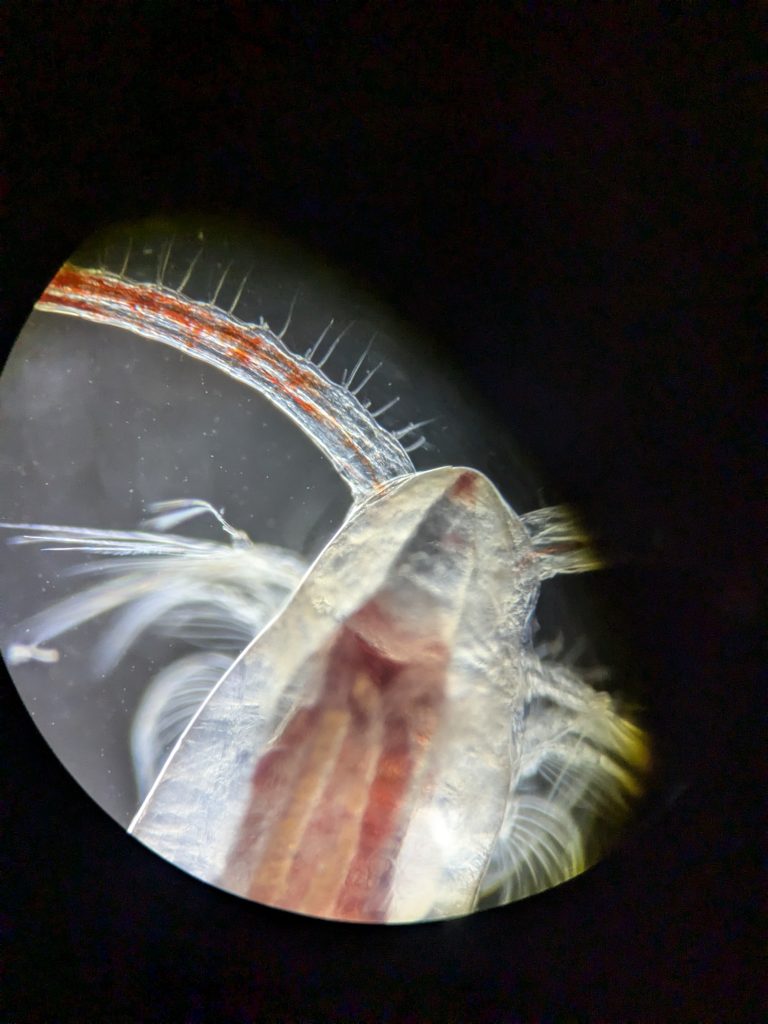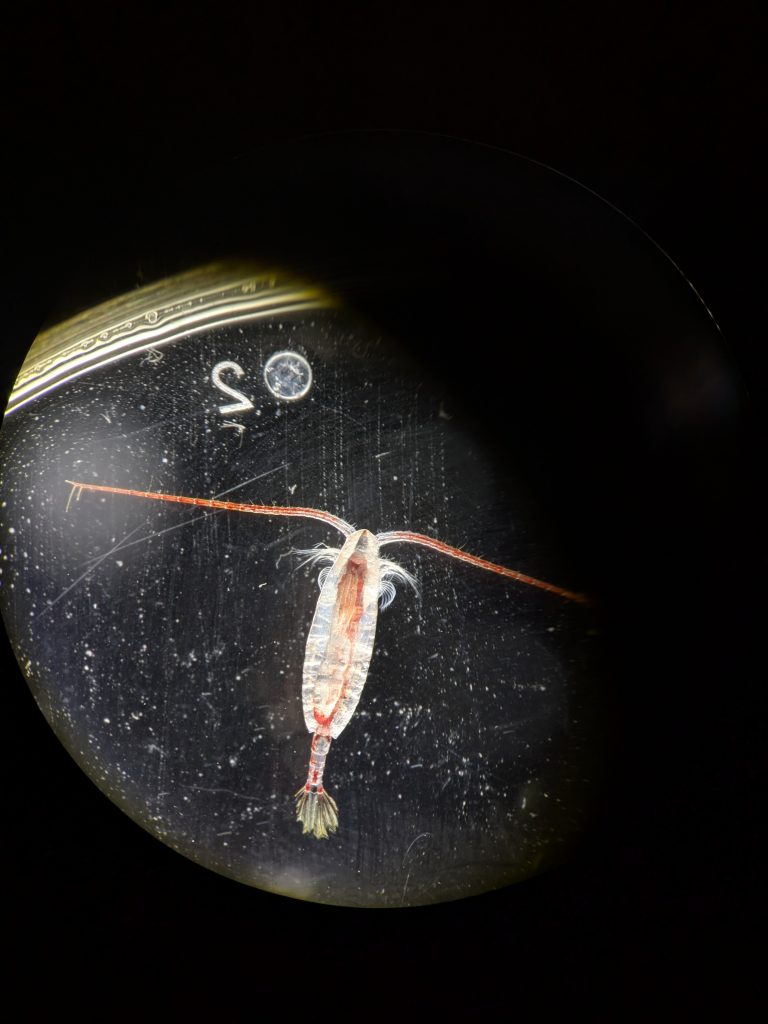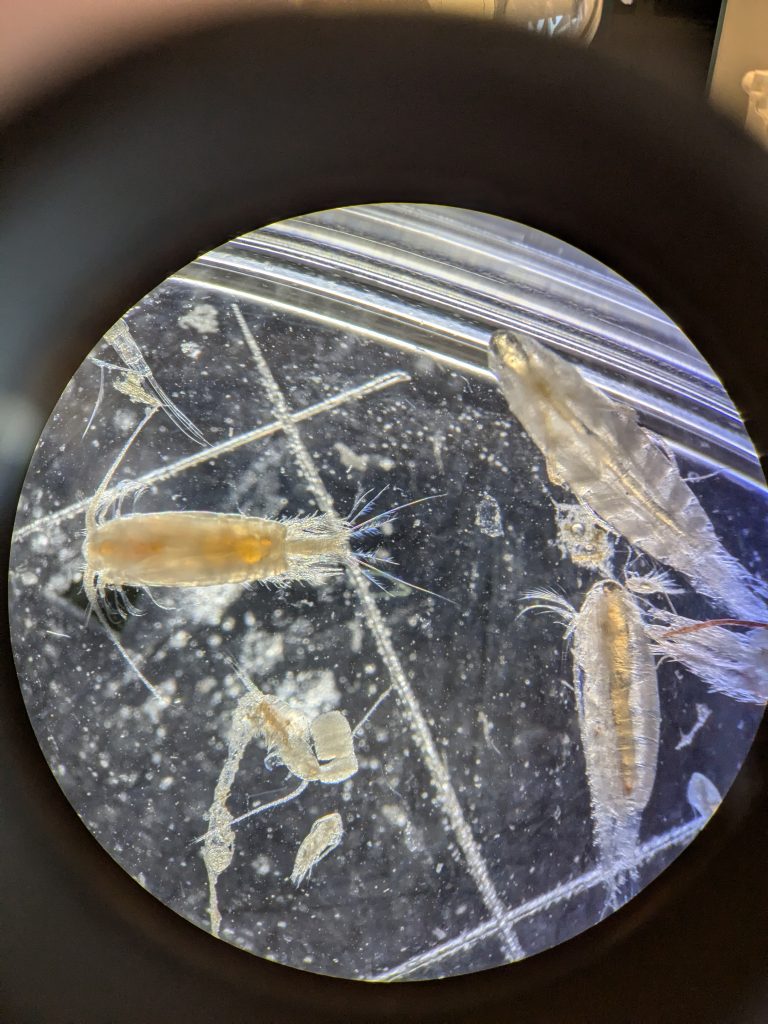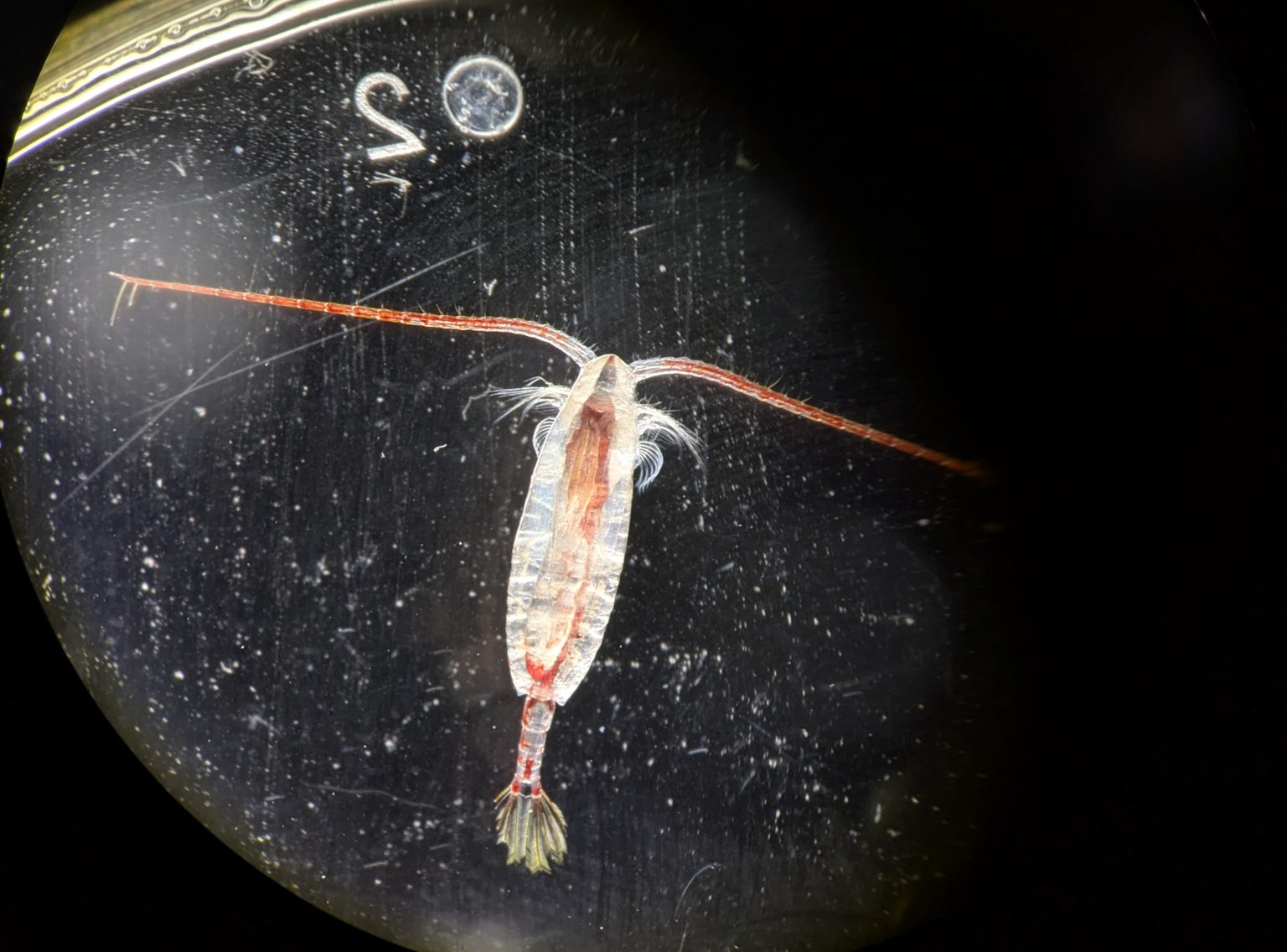
Photo credits: Tiziana Durazzano
Researchers from the POMP project, in collaboration with external partners at CNR-IRET and with the support of the e-Science research infrastructure Life Watch Italy (https://www.lifewatchitaly.eu/), have released a comprehensive new dataset providing a novel, region-specific compilation of functional traits harvested from literature for meso-holozooplankton in the European Arctic and sub-Arctic (https://data.lifewatchitaly.eu/handle/123456789/326280).
This resource addresses a critical knowledge gap in high-latitude data, offering a traceable foundation for understanding how these “tiny but mighty” organisms regulate the Arctic carbon cycle and respond to rapid climate change.
Focusing on the European North
While trait-based ecology has flourished globally, polar regions have long suffered from data scarcity. Existing global databases often skew toward temperate species, failing to account for the unique size ranges and life-history adaptations of Arctic zooplankton.
This new dataset, developed by Tiziana Durazzano (UiT) and curated by Jessica Titocci (CNR-IRET), prioritizes measurements collected directly from the Barents Sea and the Nansen Basin, ensuring the data is finely tuned to the extreme environmental conditions of the North.
A Comprehensive Look at Key Traits
The compilation integrates and harmonizes information across different functional trait categories, spanning morphological, behavioral, and biochemical characteristics. Key highlights of the dataset include:
- Ontogenetic Information: Unlike many previous databases, this study includes data on early developmental stages (ontogeny) when available, providing a fuller picture of how species adapt from larvae to adulthood.
- Detailed Morphology and Biochemistry: Standardized measurements for body length, dry weight, and lipid content (including wax esters) offer insights into the energy storage and carbon export potential of Arctic species.
- Feeding and Reproduction: Using “fuzzy-coding” to account for biological plasticity, the dataset tracks diverse feeding modes and spawning strategies, from free-spawners to brood-pouchers.
Adherence with FAIR Principles
Findability and accessibility are ensured through rich metadata available at https://metadatacatalogue.lifewatch.eu/srv/eng/catalog.search#/metadata/f230ec6b-e0aa-4bfc-ab55-e7a956c287c3 and through persistent access provided by the dataset DOI (https://doi.org/10.48372/zzwt-r154). By adopting the Traits Thesaurus (https://doi.org/10.48373/sa6p-ta25) and Darwin Core standards (https://dwc.tdwg.org/), the team ensured semantic harmonization and interoperability, making the data both human- and machine-readable and interpretable. Reusability is ensured by providing detailed metadata, standardized vocabularies, and clear documentation of the dataset structure and variables, also supported by the preparation of a dedicated data paper currently under review.
By centralizing previously dispersed or fragmented data from literature and recent multidisciplinary projects like The Nansen Legacy, the team has created a standardized resource that is fully interoperable with other global ecological databases.
Photos credits: Tiziana Durazzano